PTL Extras : Understanding Lens Distortion and focal lengths.
Lens distortion is the deformation of the footage captured due to the curvature of the lens on the camera. Optical Distortion is a rotationally symmetric image error which increases from the centre of the image towards the image margin, there are 2 main types of distortions :
Barrel Distortion - image magnification decreases with increase in distance from the optical axis, hence straight lines will remain straight towards the center but curve out at the edges of the image. This gives lines a circular, barrel-like shape. Seen in concave spherical and wide angle lens.
Pincushion distortion- is the exact opposite of barrel distortion, image magnification increases with increase in distance from the optical axis. Hence, the edges of the photo can appear to bend in, rather than out. Seen in Convex spherical and Telephoto lens.
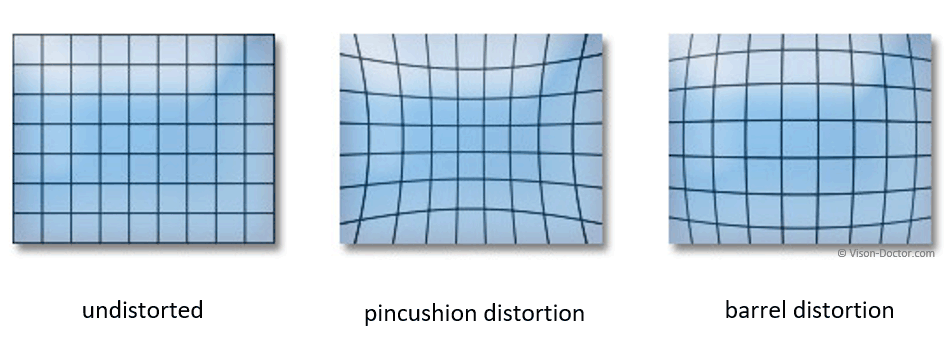
The human eye is capable to perceive distortions only if the geometric error exceeds two per cent. But this might already be much too high for many applications!
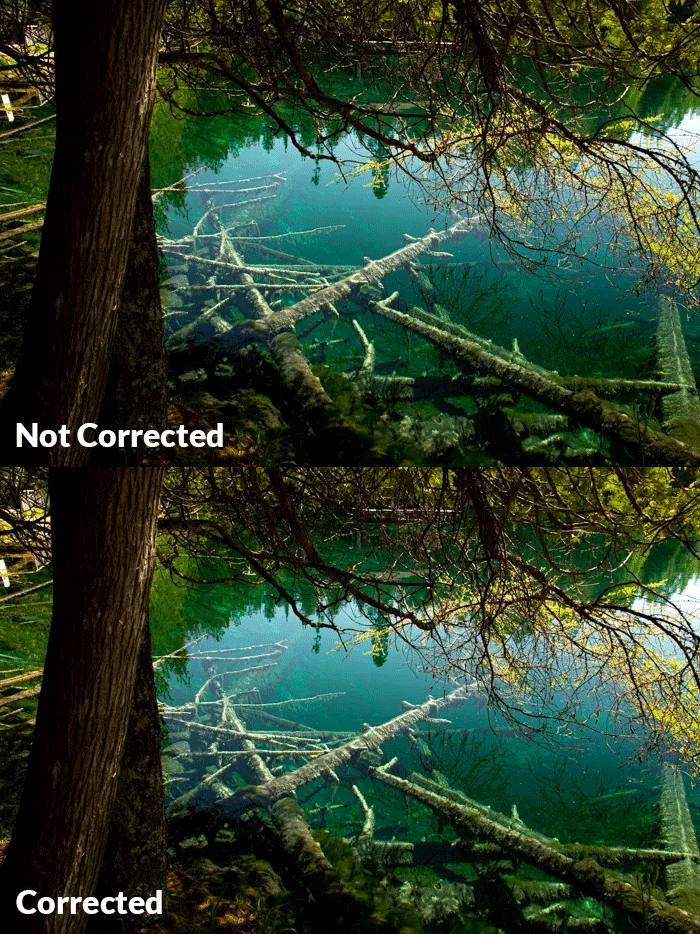
Focal length is distance between the optical center of the lens and the camera sensor. The focal length determines the angle of view of the lens, the longer the focal length of a lens, the narrower its angle of view and vice versa. Field of view is a combination of the lens' angle of view and the camera's sensor size.

Lenses with long focal lengths tend to have a shallow depth of field, which means they can focus in on small objects (even faraway ones) at specific distances. Meanwhile, lenses with short focal lengths have a larger depth of field, which enables them to get a wider range of elements in focus.
There are numerous focal length lenses each with its own purpose and artistic sense. Ultra wide lens usually range from 8mm to 24mm aka Fisheye lens due to the high amount of barrel distortion it produces. Standard lenses range from 24mm to 35mm, most commonly used, produces little distortion, with decent FOV. Telephoto lenses range from 70mm too 300mm, have a very narrow FOV, ideal for when the subject is far from the camera, compresses the background to the subject making the background look much closer to the subject.
For this module we are not required to shoot our own footage necessarily, but I thought I would be better if I had some basic understanding of the core concepts about shooting with a camera and lens.


Comments
Post a Comment